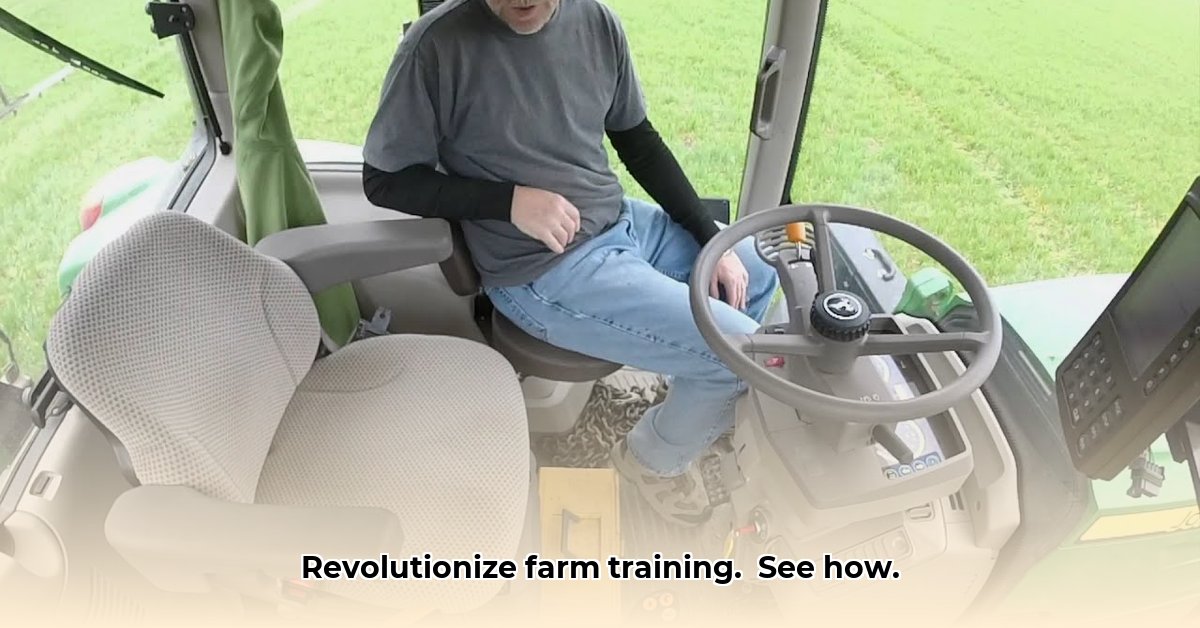
Tractor Instructional Seats: Boosting Farm Training & Efficiency
Want to streamline farm training and boost productivity? Tractor buddy seats, also known as instructional seats, offer a practical solution. This comprehensive guide provides a step-by-step approach to selecting, installing, and safely utilizing these seats, transforming your tractor into a mobile training center. We'll prioritize safety, incorporating expert advice to maximize efficiency and minimize risks. For more options, check out these tractor seat replacements.
The Advantages of Tractor Instructional Seats: More Than Just an Extra Seat
Buddy seats offer significant advantages beyond simply adding extra seating. They are particularly useful for:
Accelerated Training: Hands-on learning is superior to theoretical instruction. Buddy seats enable trainees to learn by doing, within a real-world agricultural context, resulting in faster skill acquisition and increased confidence.
Bridging Generational Gaps: Transferring farming knowledge between generations is vital. Buddy seats facilitate this, allowing experienced farmers to directly mentor younger family members, improving knowledge transfer and fostering a farming legacy.
Improved Efficiency: On-the-job training can be time-consuming. Buddy seats allow for simultaneous training of multiple individuals, optimizing time and resources.
Enhanced Safety: Proper training minimizes accidents. Direct supervision minimizes unsafe practices, creating a safer learning environment. "Proper training significantly reduces accidents," says Dr. Sarah Miller, Agricultural Safety Specialist at Purdue University.
Different Types of Tractor Instructional Seats: Finding the Right Fit
Several buddy seat types cater to different needs and budgets. Consideration of your tractor, operational needs, and budget is essential for informed selection.
| Seat Type | Features | Compatibility | Pros | Cons |
|---|---|---|---|---|
| Standard Buddy Seat | Basic design; often includes a simple seatbelt. | Compatible with a wide range of tractors. | Relatively inexpensive, straightforward installation. | May lack advanced safety features; comfort might be limited. |
| Premium Buddy Seat | Enhanced comfort and safety features (e.g., improved seatbelts, robust construction). | Often compatible with major tractor brands (verify before purchase). | Increased safety and comfort; improved operator experience. | Generally more expensive. |
| Custom Buddy Seat | Tailored to a specific tractor model; maximizes safety and comfort. | Compatible only with the designated tractor model. | Optimal fit; superior safety, comfort, and ergonomics. | Highest cost; potentially longer lead times. |
Always consult the manufacturer's specifications to confirm compatibility with your tractor model.
Safety First: Prioritizing Safety During Training
Safety is paramount when using buddy seats. Failure to adhere to safety protocols can lead to serious injury or accidents.
Proper Installation: Adhere strictly to the manufacturer's installation instructions. Incorrect installation compromises safety.
Weight Limits: Never exceed the seat's weight capacity. Exceeding weight limits can cause instability leading to potential accidents.
Seatbelts: Always use seatbelts. They are critical in mitigating injury in unexpected events.
Regular Inspections: Regularly inspect the seat and its attachments for any wear and tear. Replace damaged components immediately.
Tractor Safety Features: Familiarize yourself with and utilize your tractor's safety features, such as ROPS (Rollover Protection Structures).
Installing Your Tractor Instructional Seat: A Step-by-Step Guide
Installation procedures vary. Always refer to the manufacturer's instructions. This is a general outline:
Preparation: Gather necessary tools (typically, wrenches or sockets). Read the instruction manual completely. Clear the area around the tractor.
Mounting: Identify the specified mounting points on your tractor (usually indicated in the manual). Securely attach the seat to these points.
Securing: Tighten all bolts and fasteners according to the manufacturer's specifications. Avoid overtightening.
Testing: Before use, rigorously test the seat for stability and ensure all safety features (seatbelts) function correctly.
Best Practices For Effective Training: Getting the Most from Your Buddy Seat
Effective training utilizes the buddy seat to its full potential. Follow these practices:
Structured Approach: Begin with fundamental controls and safety protocols, gradually increasing complexity as the trainee progresses.
Clear Instructions: Provide clear, concise instructions and demonstrations. Utilize visual aids as needed.
Constant Supervision: Maintain close supervision during the entire training session.
Hazard Identification: Discuss potential hazards and safety measures before, during, and after the session.
Regular Breaks: Incorporate regular breaks to avoid fatigue and maintain focus.
Adaptable Training: Adjust the training method to each trainee's learning style and pace.
Maintenance and Troubleshooting: Keeping Your Buddy Seat in Top Condition
Regular maintenance extends the life of your buddy seat and ensures its safety.
Regular Inspections: Visually inspect the seat for wear, tear, or loose parts.
Tighten Loose Fasteners: Tighten any loose bolts immediately.
Seatbelt Checks: Ensure seatbelts are in good condition; replace damaged ones promptly.
Addressing Issues: Address any issues or damage promptly; do not postpone repairs.
Conclusion: Reap the Rewards of Safe and Effective Training
Tractor buddy seats are a valuable investment for improving farm training and efficiency. By prioritizing safety, choosing the right seat, and applying effective training methods, you can cultivate a more proficient workforce and improve overall farm productivity. Remember, a safe training environment is fundamental to a successful and productive farm operation.